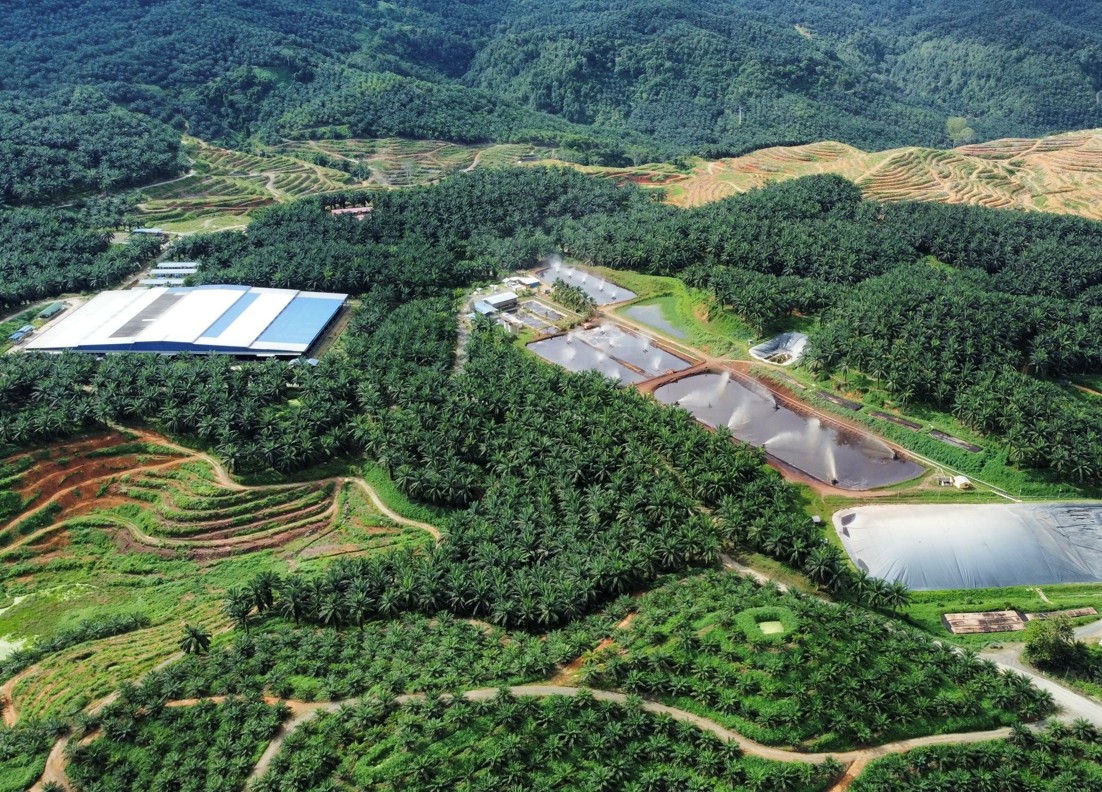
Biogas offers a powerful renewable energy solution for Malaysia’s palm oil industry, which produces vast amounts of organic waste, especially Palm Oil Mill Effluent (POME). Instead of being discarded, this waste can be converted into clean energy using advanced biogas systems.
🔄 Turning POME into Biogas Energy
Through anaerobic digestion, palm oil mills can break down POME and other biomass to produce biogas — a mixture of methane (CH₄) and carbon dioxide (CO₂). Once purified to remove CO₂, moisture, and hydrogen sulfide, biogas is upgraded into biomethane, a high-energy, clean-burning fuel.
This upgraded fuel can then be compressed into BioCNG (Compressed Biomethane Gas), making it suitable for powering vehicles and replacing diesel in industrial processes.
🌿 Malaysia’s First BioCNG-Powered Palm Oil Mill
Aumkar Palm Oil Mill in Sabah has become a national pioneer by switching its transportation fleet to BioCNG. Its integrated biogas upgrading facility now fuels trucks that transport crude palm oil (CPO), palm kernels (PK), and fresh fruit bunches (FFB) — significantly cutting down diesel use and emissions.
✅ Why Palm Oil Mills Should Invest in Biogas & BioCNG
Here are the major benefits of mills adopting biogas systems:
⚡ Lower fuel costs by replacing diesel with self-generated BioCNG
🌎 Reduced greenhouse gas emissions from organic waste
♻️ Supports Malaysia’s circular bioeconomy and green energy transition
💰 Opportunities for carbon credit generation
📈 Adds commercial value to previously discarded palm waste
🌱 Improves ESG compliance and sustainability ratings
🔗 A Key Step Toward a Greener Industry
Malaysia’s palm oil sector has a golden opportunity to lead in biogas innovation. By implementing biogas, biomethane, and BioCNG systems, mills can convert waste into fuel, reduce costs, and align with national and global sustainability goals.